COLLECTOR’S PRINTS – CONTEMPORARY PAINTING
URSZULA TEKIELI
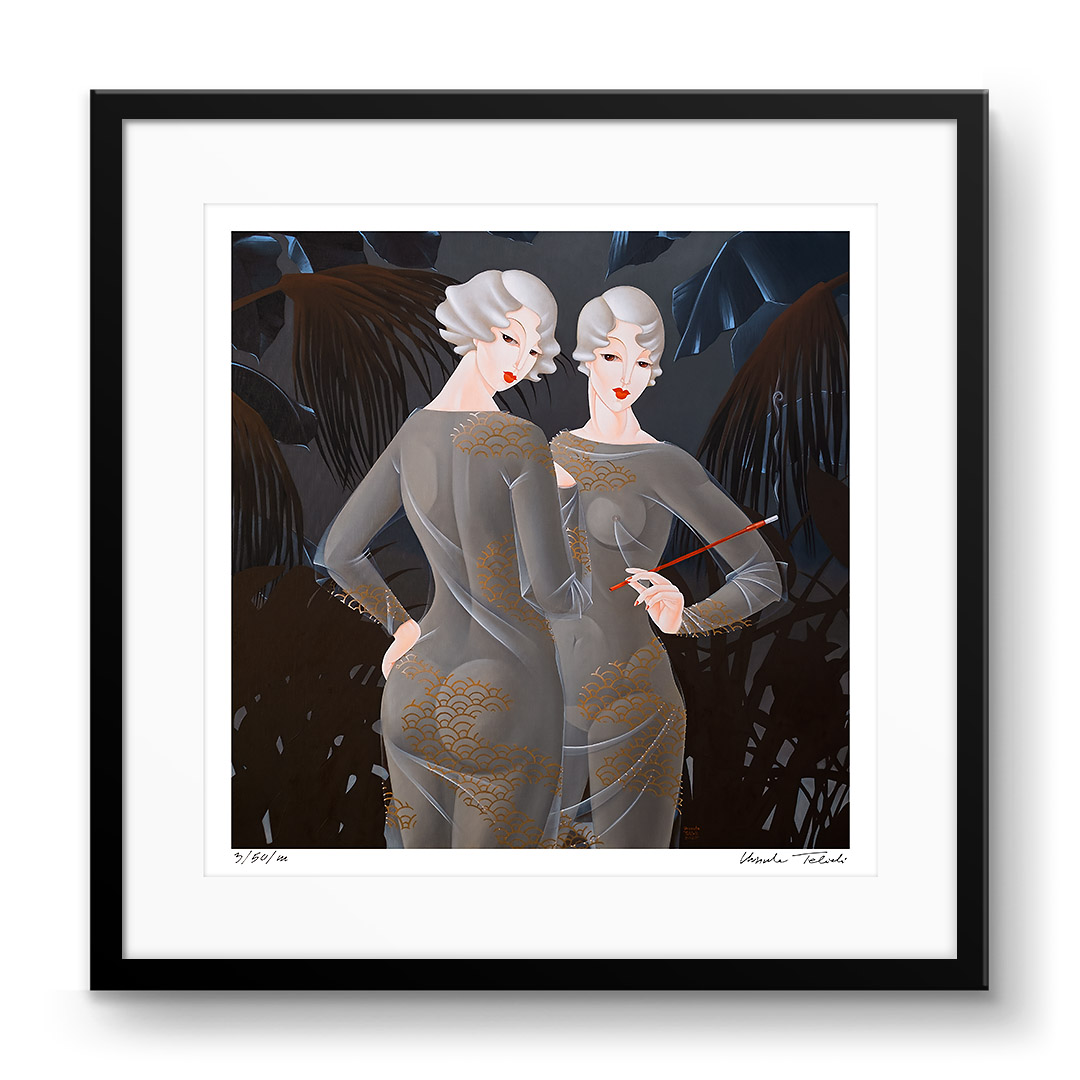
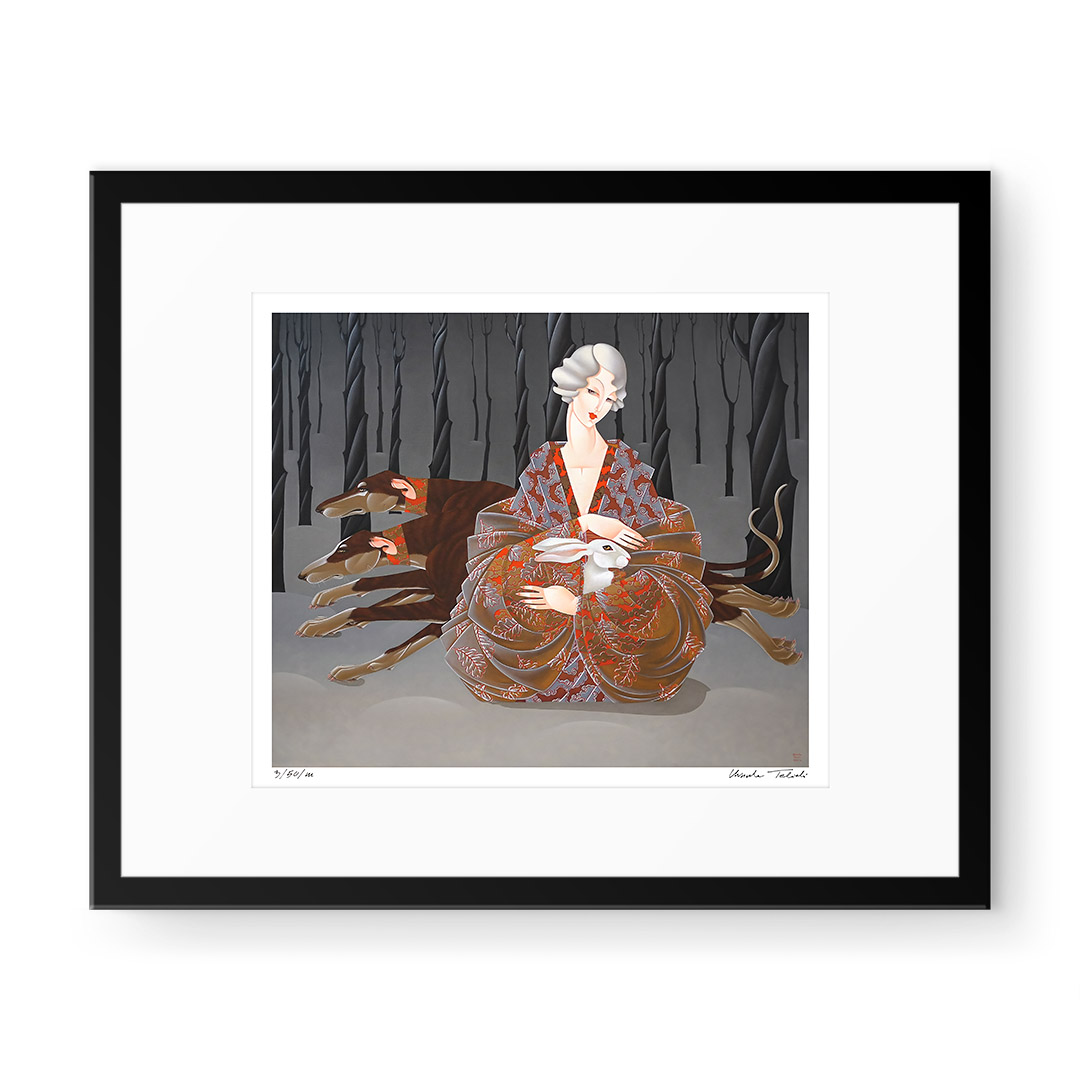
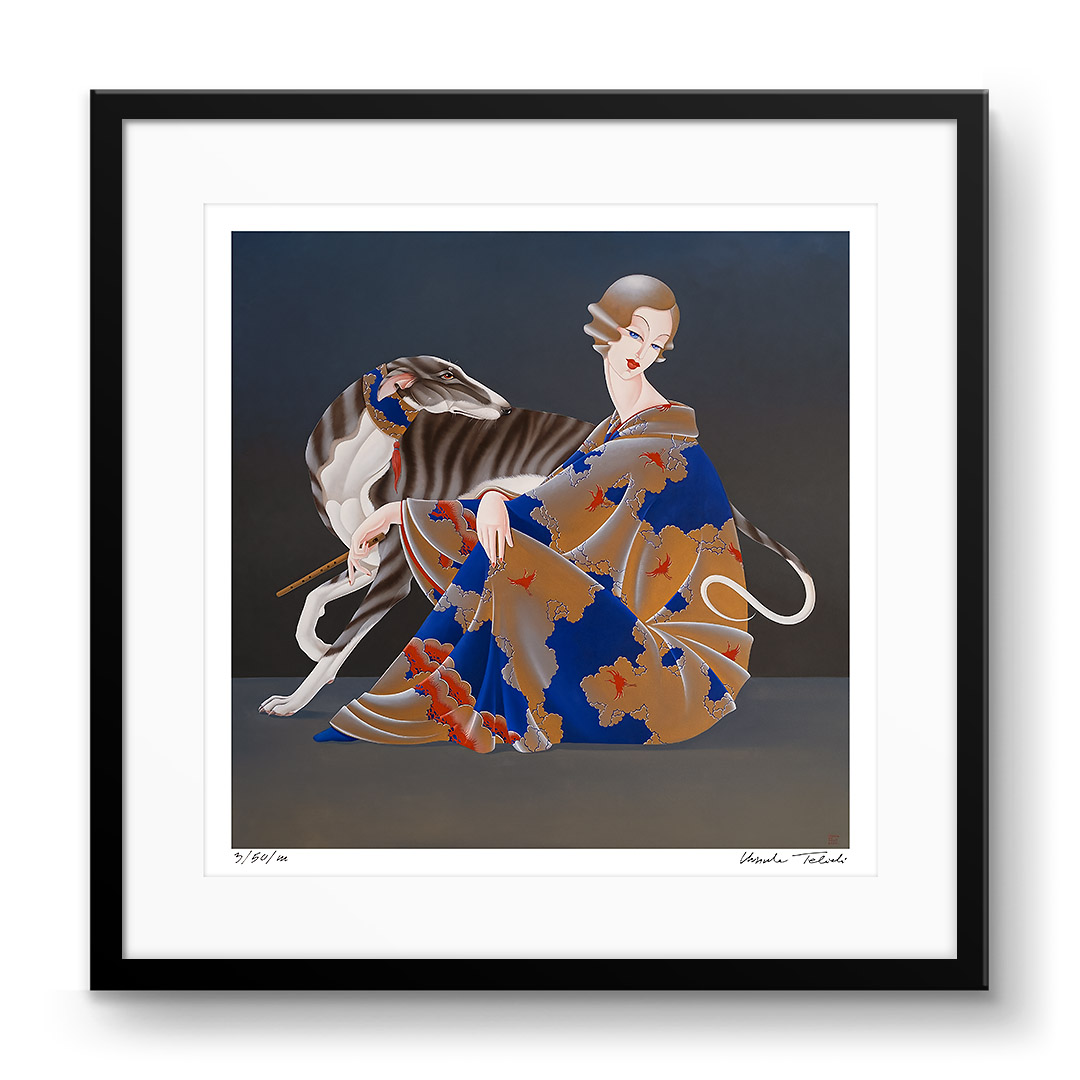
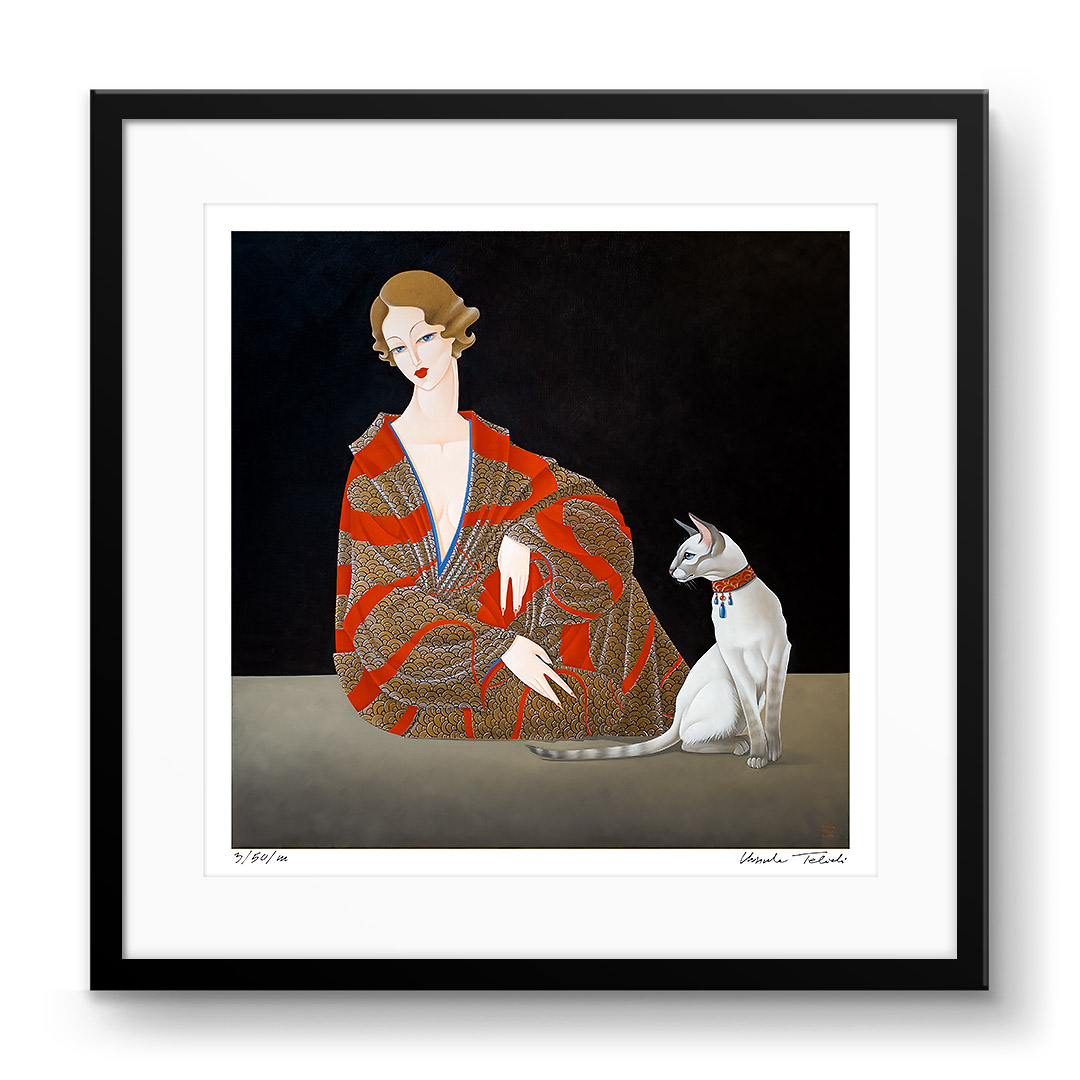
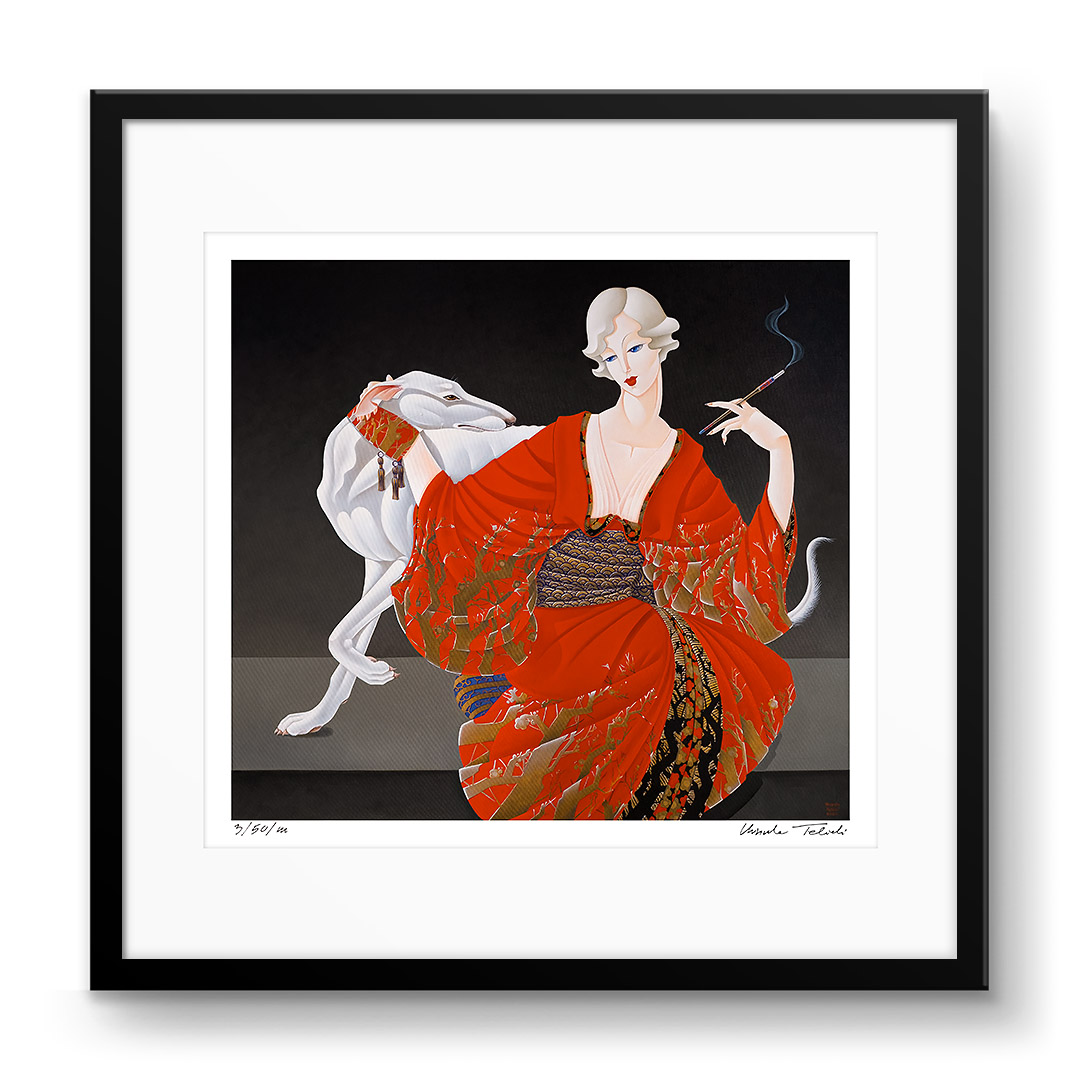
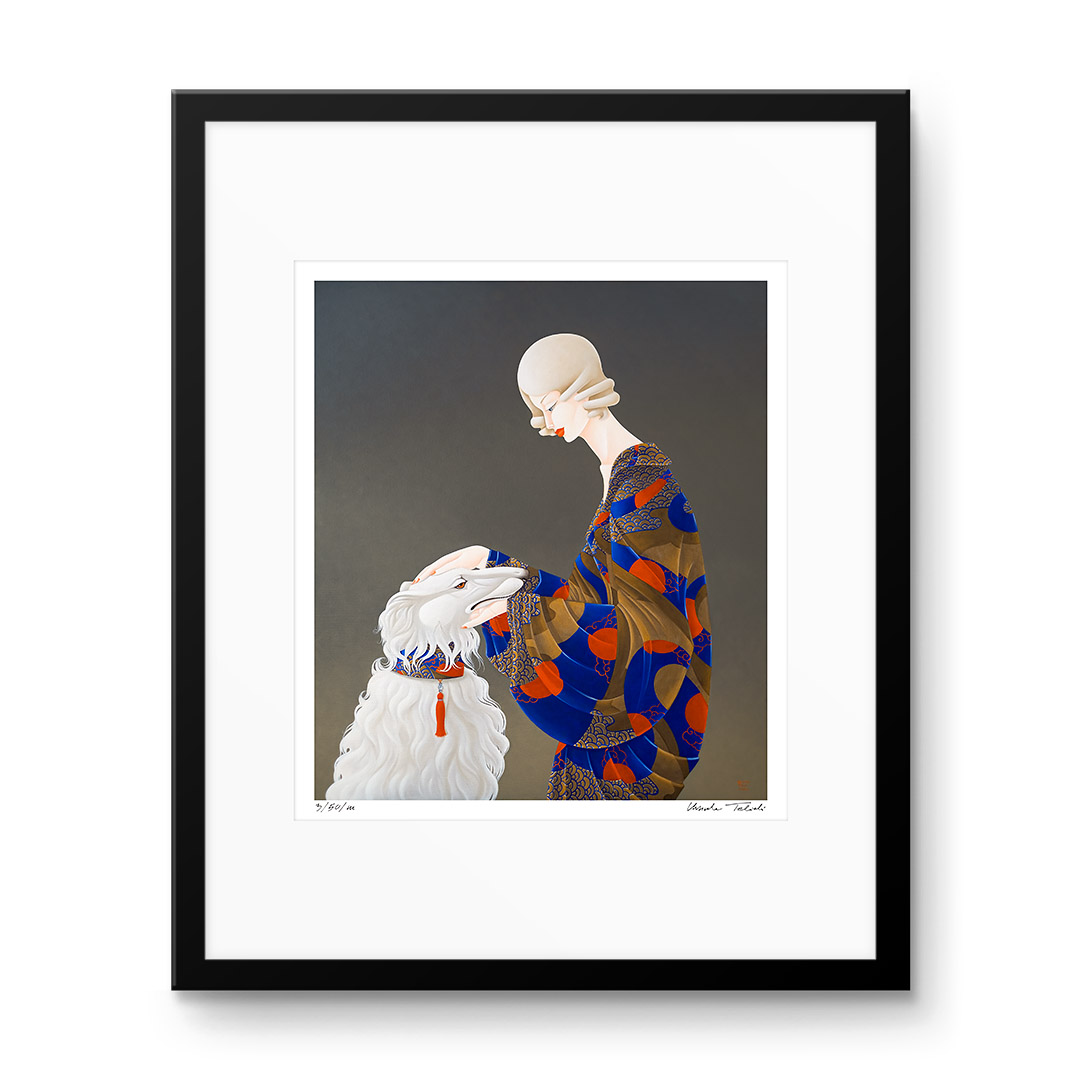
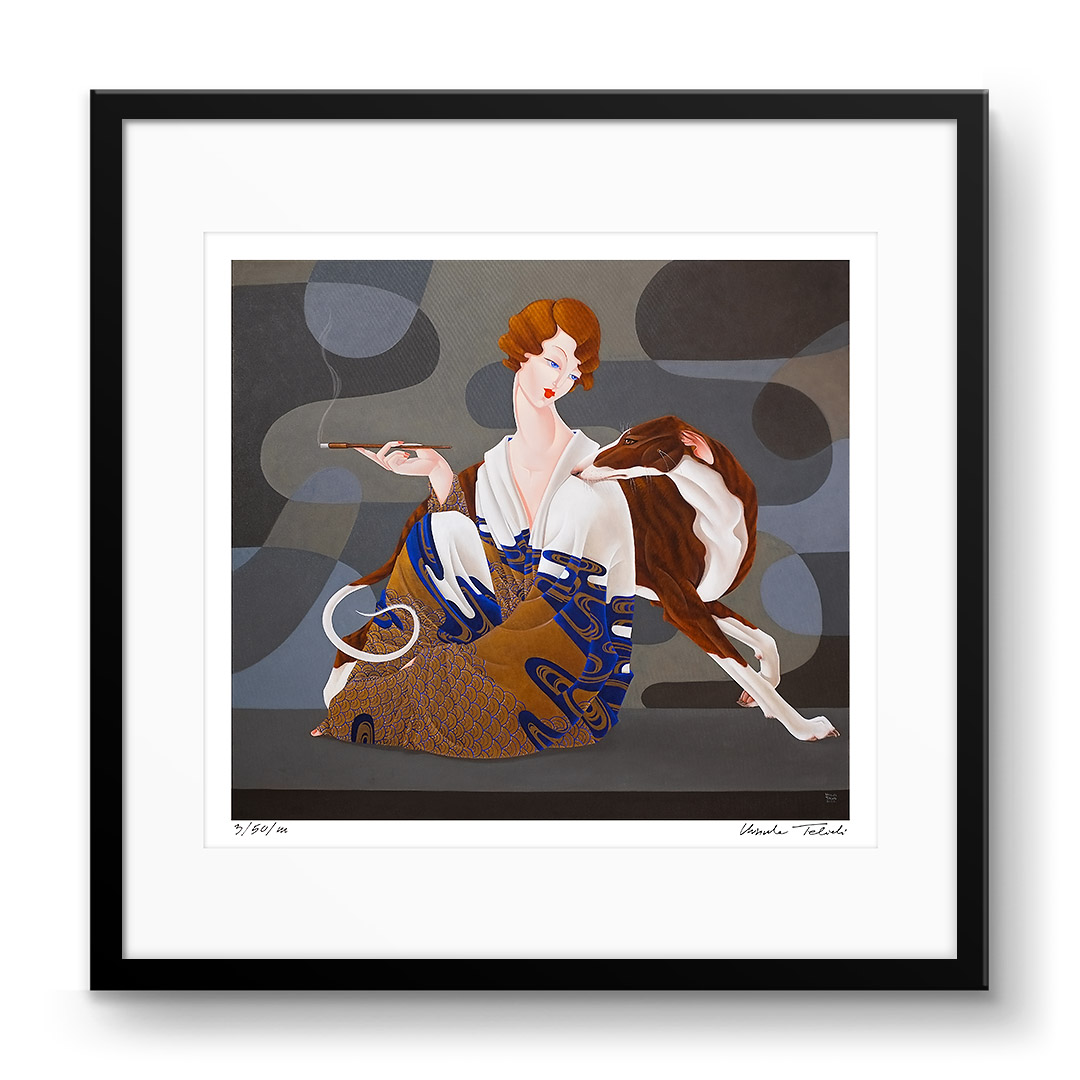
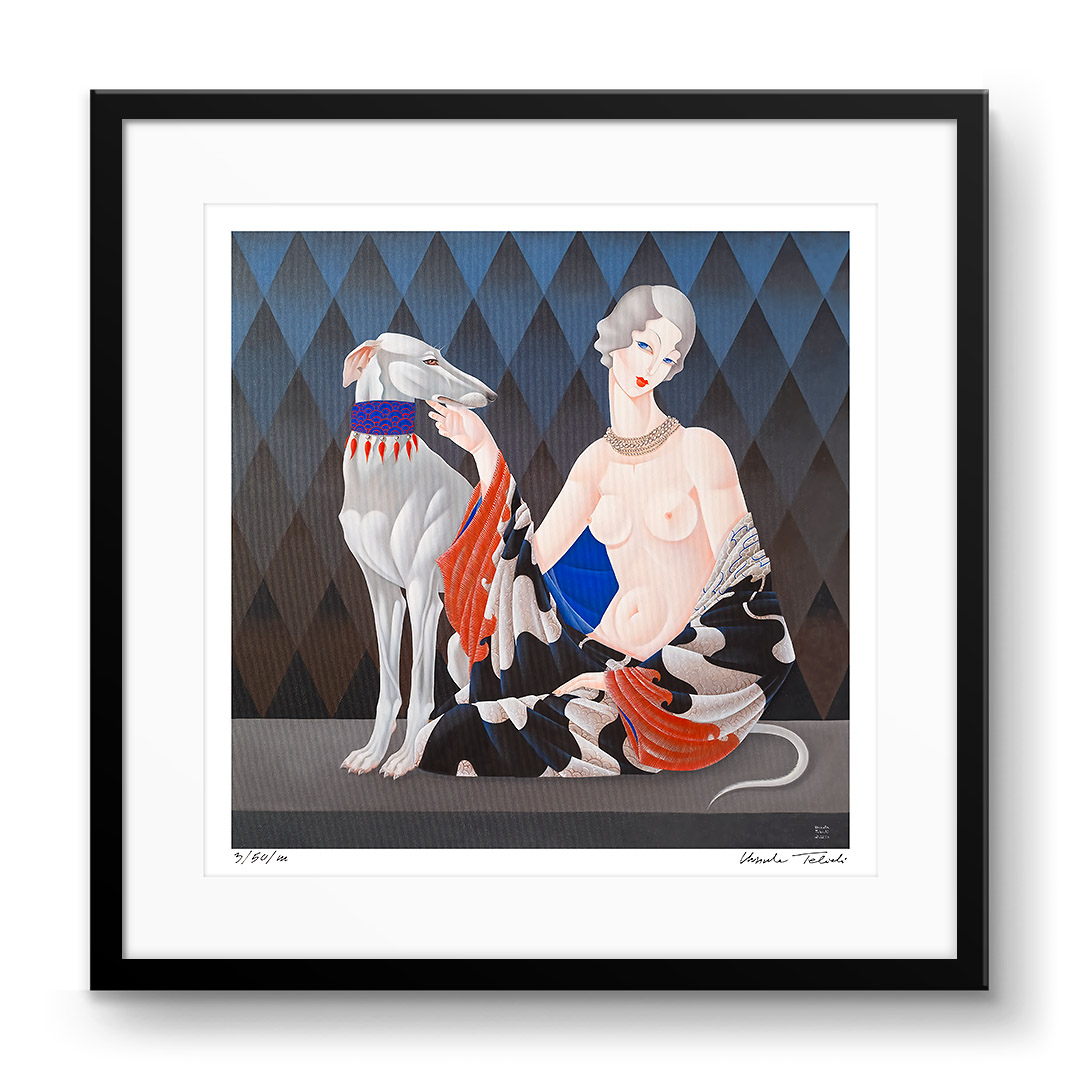
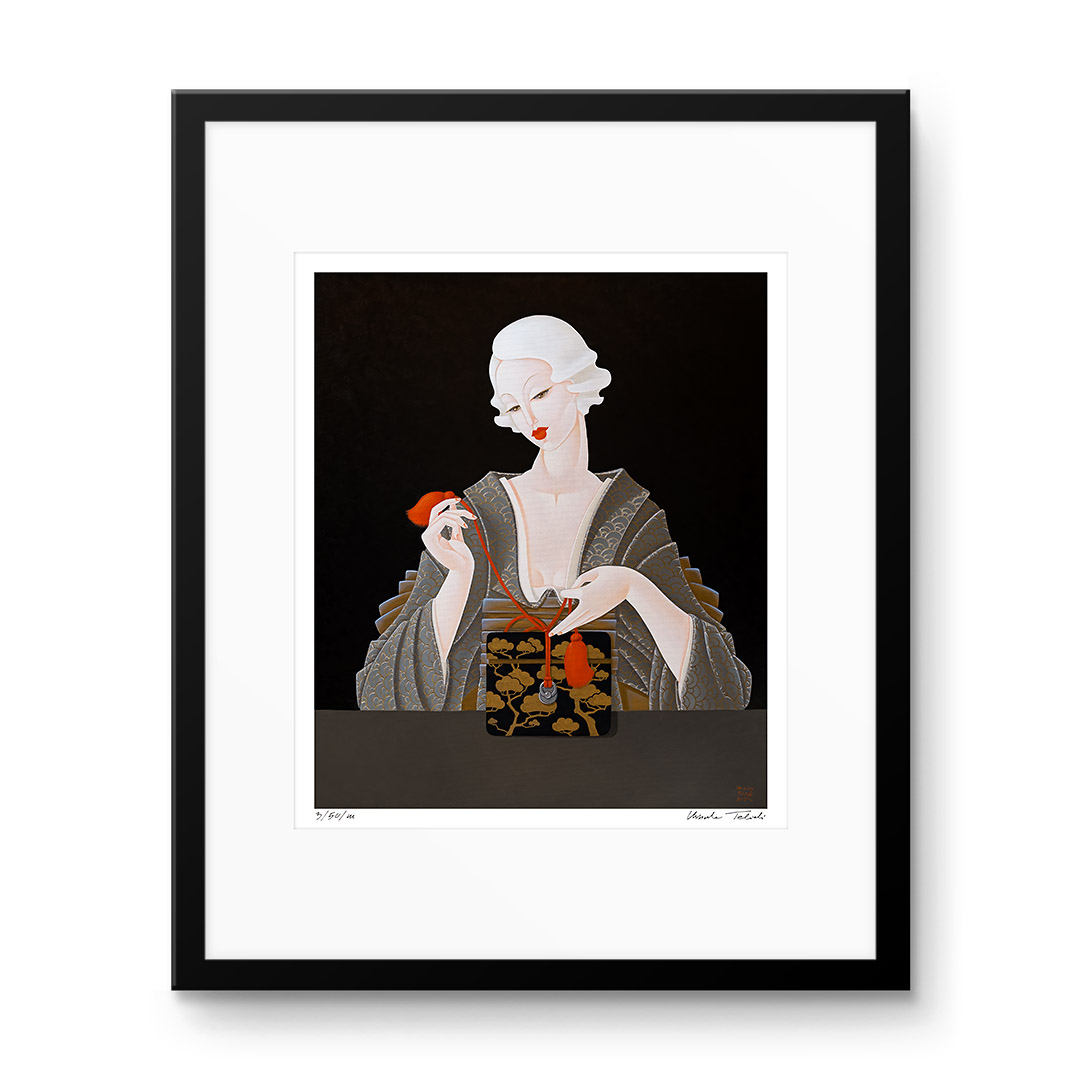
Urszula Tekieli is an artist who masterfully bridges two distant worlds – the spirituality of ancient Japan and the elegance of European art déco. Her paintings depict women in kimonos, proud greyhounds, symbolic objects, and subtle emotions – all enclosed in carefully crafted, decorative compositions. It’s art that doesn’t shout – more a whisper of Eastern culture wrapped in the composition of the West.
Discover the collectible prints of Urszula Tekieli – harmonious, symbolic, and refined in every detail. Perfect for those who appreciate the elegance of art déco and inspiration drawn from Far Eastern traditions.
PRINTS | ABOUT THE ARTIST | BIO | EXHIBITIONS | INSPIRATIONS | INTERVIEW
ARTIST INFORMATION
Urszula Tekieli is an artist who blends the elegance of European Art Deco with the subtlety of Far Eastern aesthetics. Her paintings are atmospheric and symbolic — filled with female figures, animal motifs (especially sighthounds), and richly adorned kimonos and objects. Influences such as Nō theatre, Japanese ukiyo-e woodcuts, and the Rinpa school weave through her work, not as dominant themes, but as quiet threads in stories about emotion, relationships, and the intimate.
Her style is the result of a natural evolution of inspirations – from a fascination with Art Deco to the discovery and admiration of traditional Japanese art. As she writes:
“The specificity of my painting stems from the development of these interests and their related sources of inspiration. It reflects a strong sense of aestheticism and a constant oscillation between ornamentation and opulence on one hand, and simplicity and geometrization on the other. It is also a continuous attempt to merge the aesthetics of old Japan with the vastly different European tradition of perceiving beauty.”
A recurring theme in her work is the relationship between humans and animals – gentle, rooted in tenderness and trust. Her art does not impose itself – rather, it invites quiet observation and personal interpretation.
BIO
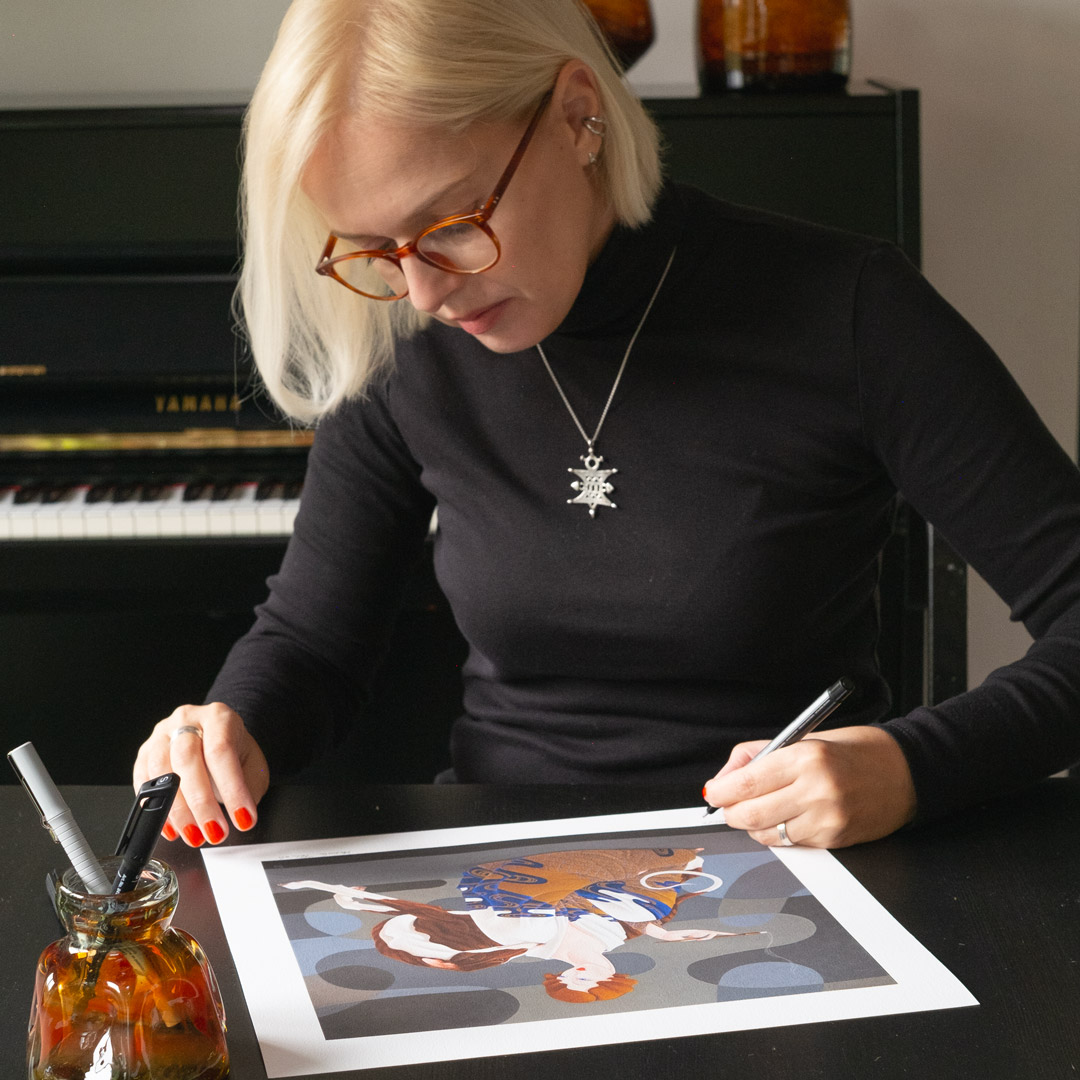
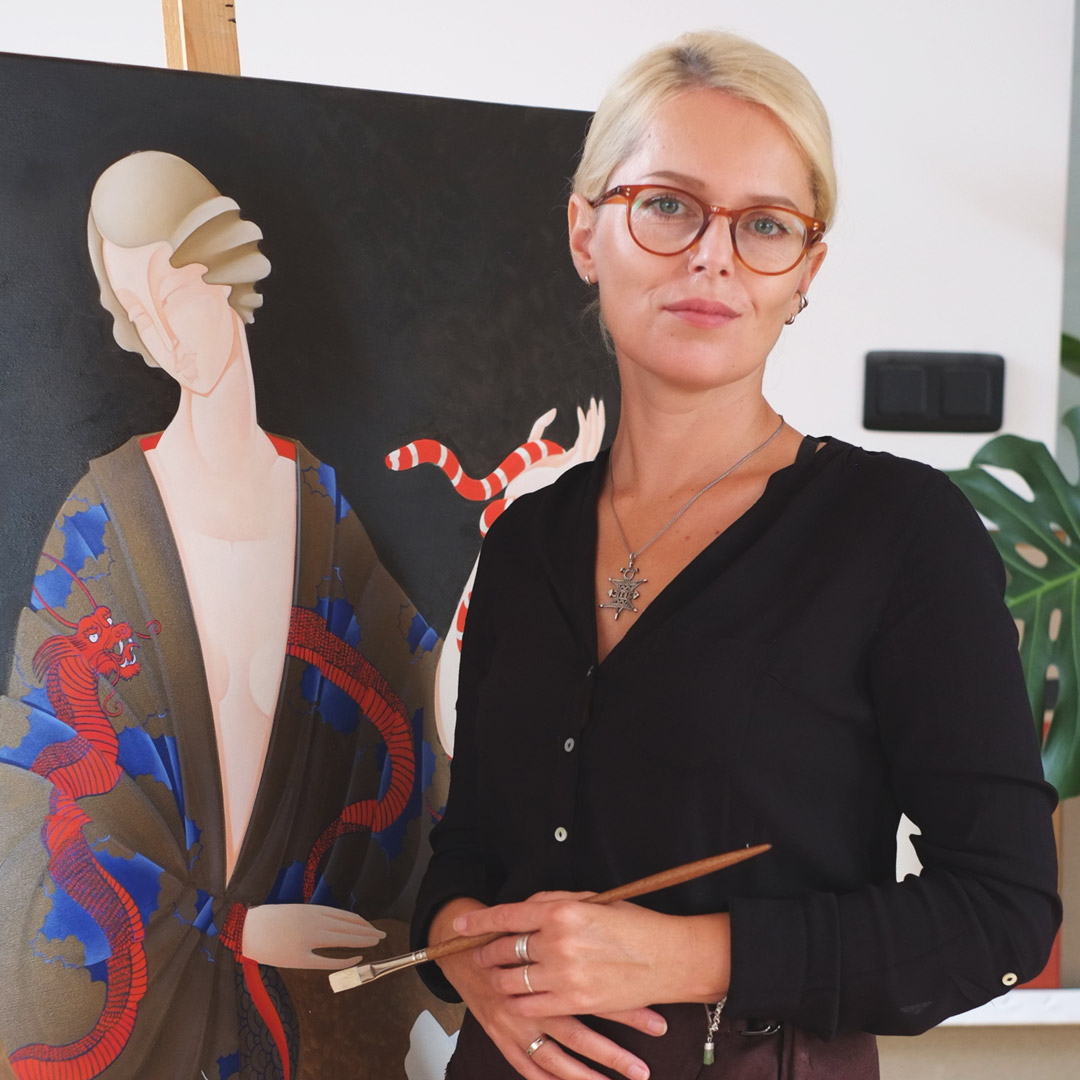
Urszula Tekieli was born in 1979 in Kraków. She graduated from the Secondary School of Fine Arts in Kraków and went on to complete her master’s degree at the Faculty of Arts at the University of Silesia in Cieszyn, where she specialized in graphic design.
Today, she focuses primarily on oil painting. She creates in her studio in Tenczynek, near Kraków. Her style grew out of a fascination with European art déco, which gradually evolved into a deep interest in the culture of ancient Japan — especially nō theatre, ukiyo-e woodblock prints, and the Rinpa school.
Tekieli’s paintings can be found in private collections in Poland, across Europe, the USA, Australia, and the Gulf countries.
EXHIBITIONS AND EVENTS:
- 2015 – Solo exhibition – “Japanese Style – Beautiful Style. Ula and Kazu”, Museum of the History of Katowice, Katowice (PL)
- 2015 – Group exhibition – “How to Capture This Moment”, Gallery at the Vauxhall Palace, Krzeszowice (PL)
- 2014 – Solo exhibition – “Alter ego”, Sopocki Auction House, Warsaw (PL)
- 2014 – Group exhibition – Gallery Renata Fine Arts, Hudson, NY (USA)
- 2013 – Group exhibition – “Love is in the air!”, Sopocki Auction House, Warsaw (PL)
- 2012 – Solo exhibition – Tower of Art Gallery (Galeria Wieża Sztuki), Kielce (PL)
- 2010 – Duo exhibition – “Urszula Tekieli målningar, Bengt Andersson sculptur”, Trelleborg (Sweden)
- 2010 – Solo exhibition – VIP Optimum Art Gallery, Katowice (PL)
- 2011 – Group exhibition – “100 + 1 Beautiful Paintings”, DAP ZPAP Gallery, Warsaw (PL)
- 2003 – Group exhibition – “Impression”, Pod Śrubką Gallery, Żywiec (PL)
ARTIST’S INSPIRATIONS:
Urszula Tekieli’s painting draws from two distinct aesthetic traditions – Japanese spirituality and European elegance. Her style emerges from this tension: calm, symbolic, and meticulously composed. Among the artist’s key sources of inspiration are:
- Art déco: A style admired for its elegance and geometric harmony. Tekieli is inspired by its refinement – symmetry, purity of form, and decorative detail. This care for composition and proportion is clearly visible in her works.
- The Rinpa school: A Japanese painting tradition known for rich colors, stylized natural motifs, and gold-leaf backgrounds. For Tekieli, it provides a foundation for building peaceful, rhythmic compositions.
- Nō theatre: A minimalist, meditative form of Japanese theatre. Its ritual, slowness, and symbolism resonate deeply with the artist – a similar stillness and focus can be found in her paintings.
- Kabuki: In contrast to nō, kabuki is full of color, motion, and emotional expression. For Tekieli, it offers an equally powerful inspiration – helping her capture gesture and intensity.
- Ukiyo-e woodcuts: Classical Japanese prints depicting everyday life, nature, and theatre. Their lightness, rhythm, and fleeting beauty echo in Tekieli’s paintings – as subtle references to the transience of moments.
From these influences arises a body of work that is atmospheric, harmonious, and deeply personal.
USEFUL LINKS:
INTERVIEW WITH URSZULA TEKIELI
Urszula Tekieli creates paintings that captivate with their calmness, composition, and attention to detail. Her work reflects both Japanese and European aesthetics — quiet, symbolic, filled with harmony and elegance. In this interview, the artist shares her inspirations, daily creative rhythm, the emotions woven into her paintings, and the challenges of life as a painter.
Let’s start from the beginning – what inspires you? What makes you sit down to paint?
Traditional Japanese art has always been a source of inspiration in my work, especially Japanese woodblock prints. I also read a lot about Japanese culture, which is so different from our own, and I follow exhibitions related to this theme. However, simply experiencing life, traveling, and pursuing passions unrelated to art also enrich me as a person and undoubtedly influence my growth and artistic maturity.
Are there any themes you particularly enjoy returning to—ones that are especially meaningful to you?
The theme of coexistence between humans and animals—especially dogs in my case—is one I often revisit. I most frequently paint Polish greyhounds, as I’m drawn to their elegance combined with a certain rawness and archaic quality that other sighthounds often lack. Privately, I’m a great admirer of pointing dogs. I currently share my life with Tosca, an Italian pointer—deeply affectionate and sensitive with those close to her, yet more reserved around strangers.
What does your creative process look like? Do you have any rituals you always follow before starting work?
My studio is at home, so to shift into a creative mindset, I make myself a good cup of tea, head to the studio, and put on some favorite music. If I’m working on a part of a painting that doesn’t require intense focus, I’ll listen to an audiobook instead. I try not to do anything else during that time, as I lack the ability to multitask and can easily lose deep concentration. During work, I take a break for a walk with my dog. I usually paint in the mornings and evenings.
Is there a particular painting that has stayed with you more than others?
There is one painting that held special meaning for me not in terms of my artistic career, but because of its emotional weight. It was created during the time I was working on Amicus X, shortly after the passing of my beloved dog Fado, a wonderful Weimaraner who had been with me for 12 years. I deeply mourned her loss, and immersing myself in that painting on which I worked for quite a long time brought me a sense of solace. It depicts a woman with a Borzoi and conveys a union of beauty and calm, yet it is subtly infused with sorrow and longing.
Are there any particular challenges you face in your work?
Above all, the greatest challenge is balancing creative work—which by nature requires long hours of deep focus—with everyday life, including family responsibilities, which repeatedly pull you out of that state, especially for women. When I know the day will be “fragmented” by various small events, I don’t even try to paint. Instead, I focus on preparing canvases, organizing brushes and paints, cleaning the studio, or responding to overdue emails (there are always some waiting for me).
Staying with the technical side for a moment – what tools do you most often use in your work?
I paint with oil on canvas, using my favorite paints from an Italian brand and brushes – the same models I’ve been using for years. I have a large studio, but I feel most comfortable working on paintings up to 120 cm in length, so I don’t take on larger formats.
Are there any artists you particularly admire? Perhaps ones you’ve been following for years?
Yes, although their influence isn’t necessarily visible in my own work. For many years, I’ve consistently admired the art of Jerzy Nowosielski, Jan Lebenstein, and Magdalena Abakanowicz.
How important is the connection with the audience of your art to you?
I sometimes meet people who are true enthusiasts, and their knowledge of art or, for example, Japanese culture enriches me greatly. They are usually interesting and sensitive individuals, so connecting with them is very rewarding for me. However, I hardly ever paint on commission, even though I receive many requests for such works. Paintings that satisfy me artistically only come to life when I’m free from any limitations.
Finally – what would you say to someone who is just beginning their artistic journey?
Seek your own path. It may be a long, sometimes difficult and discouraging process, but it’s worth staying true to yourself. And most importantly – never stop being curious about the world.
Thank you for the conversation.